
How Laser Hair Removal Works
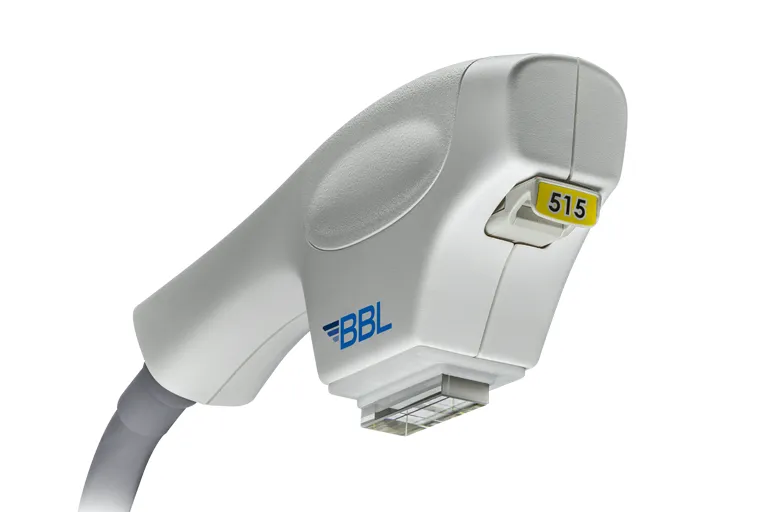
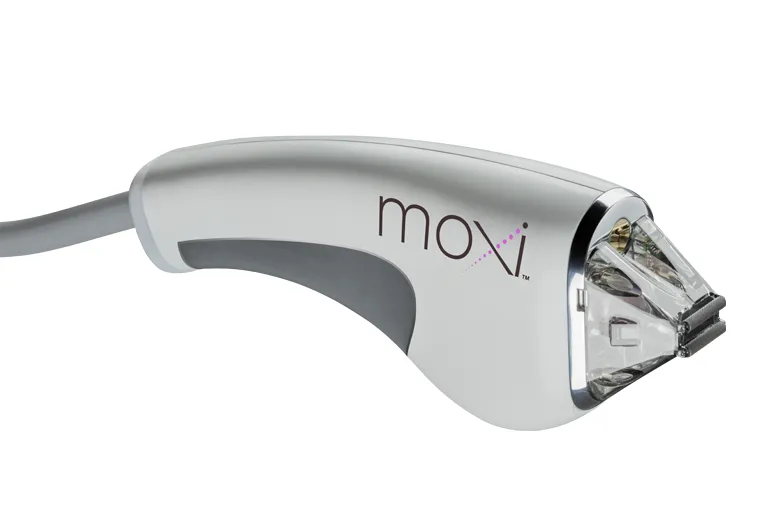
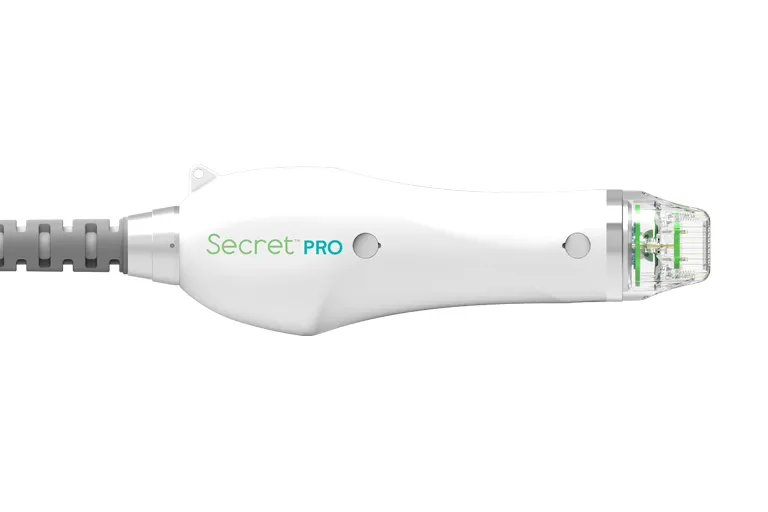
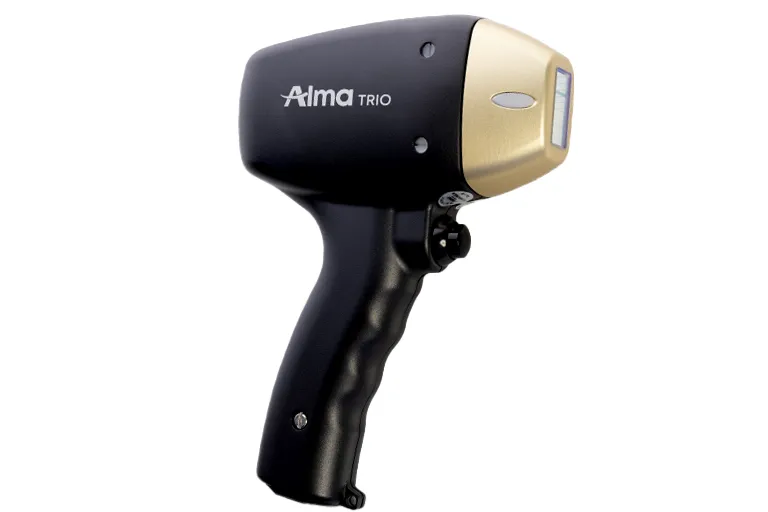
Laser hair removal works through a principle called selective photothermolysis. The laser emits a concentrated beam of light at a specific wavelength that is selectively absorbed by melanin — the pigment within the hair follicle. This targeted absorption converts light energy into thermal energy, heating the follicle to a temperature that disrupts its ability to regenerate hair. The surrounding skin remains largely unaffected due to the precision of the wavelength and pulse duration. Our clinic utilises both Alexandrite (755nm) and Diode (810nm) laser platforms, allowing our medical team to select the optimal parameters for each patient based on skin type, hair colour, and treatment area. Cooling systems integrated into the handpiece protect the epidermis throughout the procedure.
Is This Treatment Right for You?
- —Suitable for most skin types (Fitzpatrick I–VI with appropriate laser selection)
- —Effective on dark, coarse hair with sufficient melanin contrast
- —Treatment areas include face, underarms, legs, bikini, back, chest, and arms
- —Not suitable for white, grey, or very fine blonde hair due to insufficient melanin
- —A consultation is required to assess individual suitability and create a bespoke plan
The Consultation & Treatment Process
Initial consultation with our clinical team to assess skin type, hair characteristics, and medical history
A personalised treatment plan is created, including laser type selection, energy parameters, and session frequency
Treatment sessions typically last 15–60 minutes depending on the area, with integrated cooling for comfort
A course of 6–8 sessions is typically recommended, spaced 4–8 weeks apart to target hair in the active growth phase
Maintenance sessions may be advised to manage any residual hair growth over time
Hair Removal Pricing
Course prices are based on 6 sessions. A consultation is required before commencing treatment to confirm suitability and create your bespoke plan.
Your Safety Is Our Priority
All treatments are performed under the clinical oversight of Dr Adil Sarwar. Our team conducts a thorough skin assessment and patch test prior to your first treatment. Strict protocols are followed for eye protection, skin cooling, and post-treatment care. We use only CE-marked, medical-grade laser platforms maintained to the highest clinical standards.
Common Questions
How many sessions will I need?
+
Most patients benefit from a course of 6–8 sessions, spaced 4–8 weeks apart. Hair grows in cycles, and the laser is most effective during the active growth phase (anagen), so multiple sessions are needed to treat follicles as they enter this stage. Your clinician will outline an expected timeline during your consultation.
Is laser hair removal painful?
+
Most patients describe the sensation as a brief, warm snap against the skin. Our laser systems feature integrated cooling technology that significantly reduces discomfort. Sensitivity varies by individual and treatment area, and our team adjusts parameters to ensure your comfort throughout.
Is it safe for darker skin tones?
+
Yes. Our clinic operates multiple laser wavelengths including the Nd:YAG and Diode platforms, which are specifically designed for safe and effective treatment on darker skin types (Fitzpatrick IV–VI). A detailed skin assessment is always performed to select the safest protocol.
What should I do before and after treatment?
+
Avoid sun exposure, tanning, and waxing for at least two weeks prior to treatment. Shave the treatment area 24 hours before your session. After treatment, apply SPF 50 daily, avoid heat exposure for 48 hours, and follow the aftercare guidance provided by your clinician.
Are results permanent?
+
Laser hair removal provides long-lasting hair reduction. While many patients experience significant and sustained reduction after a full course of treatment, some fine or hormonal hair may return over time. Periodic maintenance sessions can help manage this.
Can all hair colours be treated?
+
The laser targets melanin within the hair follicle, so it is most effective on dark hair with good contrast against the skin. White, grey, red, and very fine blonde hair contains insufficient melanin for effective treatment and is generally not suitable for laser hair removal.